

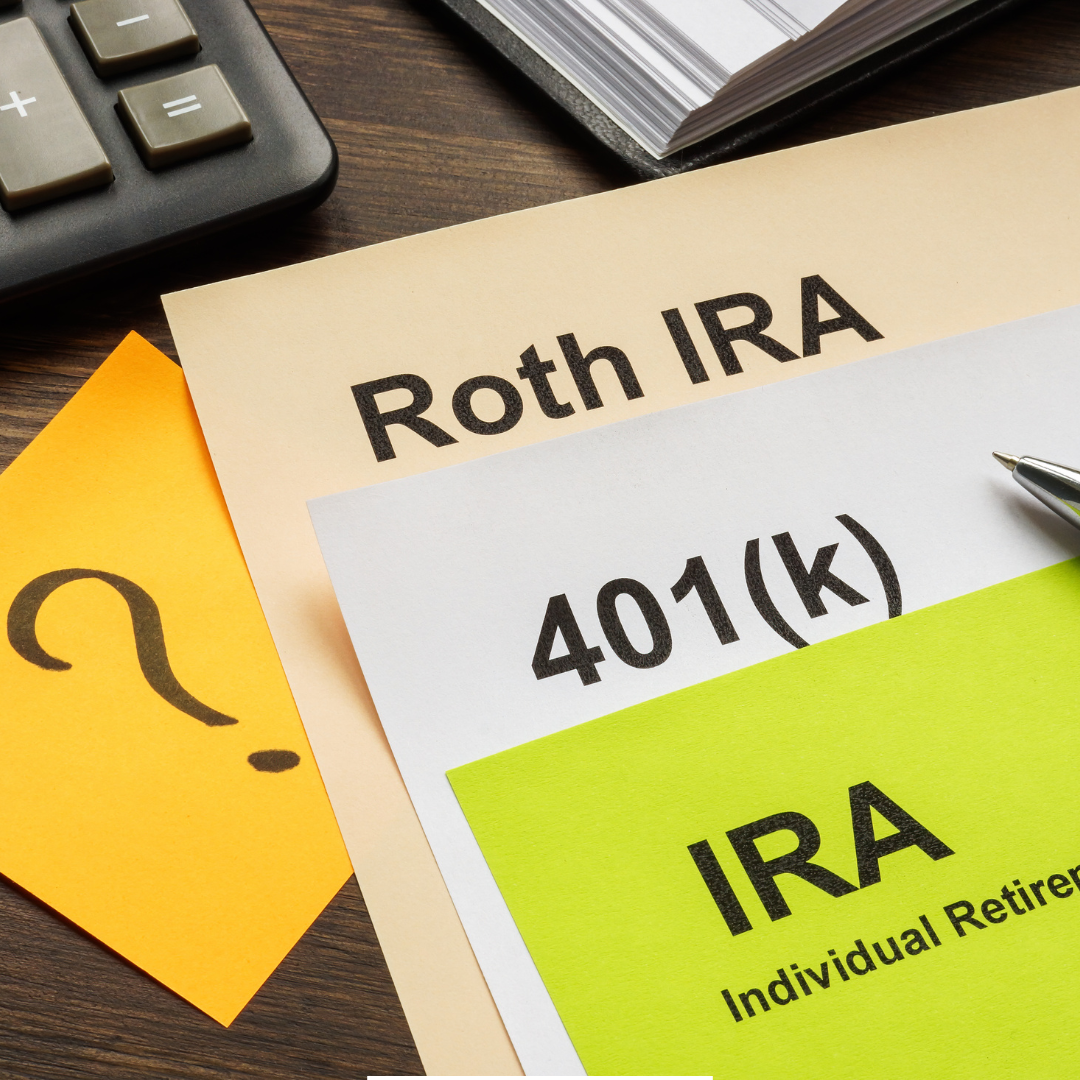
When going through a divorce, dividing retirement accounts is one of the most complex and overlooked areas. In California, which follows community property rules, dividing retirement assets accumulated during the marriage often requires a legal tool called a Qualified Domestic Relations Order — or QDRO. If you’re seeing that term pop up in your paperwork or hearing your ex’s attorney mention it, don’t panic. Here’s what you need to know.
What Is a QDRO and When Do You Need One?
A QDRO, or Qualified Domestic Relations Order, is a court order used to divide retirement accounts like 401(k)s or pensions between divorcing spouses. This document legally separates the community property portion of a retirement account and assigns it to the non-employee spouse.
So when do you actually need one? If either you or your spouse has a retirement account that was contributed to during the marriage, there’s a high chance that a QDRO is necessary. However, if the account was funded only before the marriage, that portion may remain separate property and not be subject to division.
For example, if you started a job and began contributing to a retirement plan five years before you got married, the money earned during those five years is likely yours to keep. But any contributions made to that account after you tied the knot? That’s community property — and it may need to be divided through a QDRO.
What Happens If You Cash Out the Account Too Early?
One of the biggest — and unfortunately most common — mistakes people make in divorce is cashing out a retirement account before the QDRO is finalized. This can lead to serious consequences, including court sanctions and damage to your credibility in front of the judge.
Why? Because if the account is emptied before it’s legally divided, there’s nothing left to split. That can be seen as a direct violation of a court order. Judges expect parties to respect and comply with their rulings. Violating one — even if unintentionally — can leave a bad impression, and that might come back to haunt you in later proceedings involving custody, support, or future modifications.
It’s critical to hold off. Wait until the QDRO is drafted, approved by the court, and the funds have been properly split. Then, and only then, can you consider how to handle your share of the account.
Can You Just Divide the Retirement Account Yourself?
Not if you want to do it legally and avoid problems later. Dividing a retirement account outside of a QDRO isn’t just risky — it’s often not even possible. Many retirement plan administrators won’t process any transfer of funds without an official QDRO in place.
And even if you and your spouse come to a private agreement, you still need the formal order. Otherwise, that agreement may not be enforceable, and one of you could end up with far more than your fair share — or worse, have to pay taxes and penalties for an early withdrawal.
A QDRO ensures that the division is done correctly, that tax implications are minimized, and that both parties get what they’re entitled to without unnecessary legal or financial fallout.
How the QDRO Process Works
At Fenchel Family Law, PC, we don’t draft QDROs ourselves — and that’s intentional. These documents are incredibly technical and require detailed calculations and compliance with both federal law and the terms of the specific retirement plan involved.
Instead, we coordinate with attorneys or companies that handle QDROs exclusively. These professionals handle the drafting and calculations. Our role is to make sure the terms of the QDRO match the divorce judgment we’ve negotiated and ensure it reflects the correct division of community versus separate property.
We’re involved every step of the way — from filling out the intake forms, to speaking with the drafter, to reviewing the calculations. We do all of this so you don’t have to worry that a single mistake will derail your settlement.
This approach allows us to focus on what we do best: litigating and negotiating the high-stakes aspects of your divorce while ensuring that the financial paperwork is in capable hands.
What If You and Your Ex Decide Not to Divide the Retirement Account?
That’s an option — in some cases. You and your ex may agree that one of you keeps the retirement account while the other receives a different asset of equal value. Or perhaps your ex agrees to forgo their share altogether. In those cases, you may not need a QDRO — but that needs to be spelled out clearly in your divorce judgment to avoid disputes later.
However, if any division is required, and it involves a qualified retirement plan, a QDRO is the only way to carry that out properly.
What If the QDRO Isn’t Done Yet, But the Divorce Is Final?
This happens more often than you might think. Many people assume the QDRO must be finalized at the same time as the divorce. While it’s ideal to complete it during the divorce process, it can be submitted and approved afterward. Just remember — until the QDRO is accepted by the retirement plan administrator and processed, the division hasn’t technically occurred.
That’s why it’s important not to delay. If you’ve finalized your divorce but haven’t yet completed the QDRO, now is the time to act.
Common Missteps and How to Avoid Them
Here’s a quick rundown of common pitfalls to avoid when dealing with QDROs:
- Cashing out the retirement account before the QDRO is finalized.
This can violate court orders and hurt your case down the line. - Assuming you don’t need one.
If any portion of the retirement account is community property, a QDRO is usually required. - Trying to split it on your own.
Without a QDRO, retirement plan administrators typically won’t recognize any informal agreement. - Delaying the process.
Just because your divorce is final doesn’t mean your financial division is complete.
Working with the right legal team ensures these details are handled correctly from the start.
Schedule Your Case Evaluation
Whether you’re early in your divorce or finalizing the financial pieces, understanding the role of a QDRO is critical to protecting your retirement and complying with California’s family law rules.
At Fenchel Family Law, PC, we help clients across San Francisco navigate these complex issues with clarity and confidence. Let us handle the strategy while ensuring that every step — including your QDRO — is executed correctly.