' stroke-linecap='round' stroke-miterlimit='10' stroke-width='2' d='M4 7h22M4 15h22M4 23h22'/></svg>)


LGBTQ+ Family Law and Parentage Attorneys in San Francisco
For LGBTQ+ families in California, legal parentage is not automatic, and intent alone does not always create it. As LGBTQ family law attorneys in San Francisco, Fenchel Family Law, PC, helps parents confirm and protect their legal relationship with their children, and represents them when that relationship is challenged during a separation.
A parent who isn’t genetically related to a child, or whose parentage rests only on a birth certificate, can be exposed when a family separates, travels, or moves to another state. The fix is usually straightforward when it happens early and much harder once a dispute starts.
Protect what you built and protect your kids, with counsel who understands both the cap table and the custody calendar. Book a complimentary case evaluation to talk through where your family stands.
What Makes Someone a Legal Parent in California?
A person becomes a legal parent in California through birth, genetics, a legal presumption, consent to assisted reproduction, adoption, a voluntary declaration, or a court judgment. LGBTQ+ families rely on more than one of these, and some carry more weight than others outside California.
The most common paths to parentage include:
- Giving birth to the child
- Being married to, or in a registered domestic partnership with, the birth parent when the child is born
- Consenting to assisted reproduction with the intent to be a parent
- Receiving the child into your home and openly holding the child out as your own
- Signing a voluntary declaration of parentage
- Adoption, or a court judgment of parentage
Several of these create a presumption under Family Code 7611 rather than a final determination. A presumption can be challenged, which is why many families take an additional step to make parentage conclusive.

How Does California Law Treat Assisted Reproduction?
Under Family Code 7613, a person who provides gametes for, or consents to, assisted reproduction with the intent to be a parent of the resulting child is a parent of that child. Consent is best documented in writing, though the statute allows a court to find parentage without a written consent if there is clear and convincing evidence that both people intended, before conception, for that person to be a parent.
Where Donors Fit
Section 7613 also addresses donors. A person who provides gametes for assisted reproduction by someone else generally is not a parent of the resulting child, unless the donor and the intended parent agreed otherwise in a writing signed before conception, or a court finds clear and convincing evidence of a preconception agreement that the donor would be a parent.
A clear written agreement signed before conception, prepared with counsel for each side, reduces the chance of a later dispute over who is and isn’t a parent.
What Does California Require for a Gestational Surrogacy Agreement?
Family Code 7962 sets specific requirements for assisted reproduction agreements with a gestational carrier. The surrogate and the intended parents must each be represented by separate, independent attorneys before the agreement is signed.
The agreement must be executed, with signatures notarized or witnessed, before any medical procedures other than medical evaluations begin.
Parentage Judgments Before Birth
 Section 7962 also allows intended parents to seek a judgment establishing their parentage, and the judgment can be entered before the child is born. A compliant agreement is the foundation for that judgment, and errors in the agreement itself can delay parentage.
Why Do Married Same-Sex Parents Still Need a Parentage Judgment or Confirmatory Adoption?
Married same-sex parents obtain a parentage judgment or confirmatory adoption because a marital presumption and a birth certificate are not treated as conclusive everywhere. A court judgment is entitled to recognition in other states, while a presumption based on marriage can be questioned.
How Confirmatory Adoption Works
Family Code 9000.5 provides a streamlined adoption process for spouses and registered domestic partners, and for intended parents of children born through assisted reproduction. The process involves fewer steps than a standard stepparent adoption, and courts decide these petitions without a home investigation.
Confirmatory adoption doesn’t mean the non-birth parent wasn’t already a parent. It adds a second layer of protection that travels with the family, which is significant for families who may move, travel internationally, or face a future dispute.
Comparing the Tools That Secure Parentage
Each option serves a different purpose, and many families use more than one. The table below summarizes how they generally compare.
| Tool | Who Typically Uses It | Timing | Legal Effect |
|---|---|---|---|
| Voluntary declaration of parentage | The birth parent and a genetic or intended parent | At or after birth | Generally has the force of a judgment once the rescission period passes |
| Confirmatory adoption | Spouses, registered partners, and intended parents | After birth | An adoption decree recognized across state lines |
| Parentage judgment | Intended parents, including through surrogacy | Before or after birth | A court judgment establishing parentage |
| Assisted reproduction or donor agreement | Intended parents and donors | Before conception | Evidence of intent that supports parentage and defines a donor’s role |
The right combination depends on how the child was conceived, whether the parents are married, and where the family may live in the future.
How Does a Voluntary Declaration of Parentage Work?
A voluntary declaration of parentage is a form the birth parent and a second parent can sign, often at the hospital, to establish parentage without going to court. California law now allows intended parents of children conceived through assisted reproduction to use it, not just genetic parents.
Under Family Code 7573, a completed declaration has the same force and effect as a judgment of parentage. It can be rescinded within a limited window, and its recognition outside California may be less certain than a court judgment, which is why some families pair it with confirmatory adoption.
What Happens on Separation When Only One Parent Is Legally Recognized?
 When only one parent is legally recognized, the other parent may need to establish parentage before a court will decide custody or support. That parent can often rely on the presumption for a person who received the child into their home and openly held the child out as their own, a path California courts have applied to same-sex parents.
Acting Before Time Works Against You
These cases move quickly once a separation begins, because the recognized parent controls the child’s day-to-day life meanwhile. A non-recognized parent should gather evidence of their role, such as school records, medical forms, family photos, and messages that show shared parenting, and seek counsel promptly.
We represent both non-recognized parents seeking to establish their rights and legally recognized parents responding to those claims.
LGBTQ Divorce and Domestic Partnership Dissolution
Same-sex spouses and registered domestic partners in California divorce under the same rules as other couples. Long relationships that began before marriage was available can raise questions, since property acquired before marriage or registration is separate, even when the couple lived and built assets together for years.
Those timing questions affect property division and spousal support, and they require careful tracing of when and how assets were acquired.
Why LGBTQ+ Families Work With Fenchel Family Law, PC
Parentage work rewards precision, and disputes reward preparation. We handle both the planning side and the litigation side.
- Parentage planning: We prepare confirmatory adoptions, parentage petitions, and agreements designed to hold up across state lines.
- Custody experience: When a separation turns into a parentage dispute, our team handles the custody case from start to finish.
- Financial depth: We handle property and support issues in long relationships, including those that predate marriage.
- Candid advice: We tell clients plainly where their parentage stands and what would strengthen it.
Every case depends on its own facts, and no outcome can be promised. Book a complimentary case evaluation to discuss your family’s situation.
FAQs: LGBTQ Family Law Attorney San Francisco
Can a known sperm donor claim parental rights in California?
A known sperm donor in California is generally not a legal parent unless the donor and intended parent agreed in a signed writing before conception, or a court finds clear and convincing evidence of a preconception agreement. Known-donor families should put their intentions in writing before conception to avoid later disputes.
Can a child have more than two legal parents in California?
A California court can find that a child has more than two legal parents when recognizing only two would be detrimental to the child. Courts look at the child’s existing relationships and how long they have lasted.
Can we establish parentage before our baby is born?
Intended parents in California can obtain a parentage judgment before birth, particularly in gestational surrogacy arrangements that comply with Family Code 7962. Starting the process during the pregnancy helps the judgment be ready when the child arrives.
Is a confirmatory adoption the same as a stepparent adoption?
A confirmatory adoption in California is related to, but simpler than, a standard stepparent adoption. It is designed for parents whose parentage likely already exists, and it involves fewer requirements, often without a home investigation.
Does a non-biological parent have rights if we never married?
A non-biological parent in California can have full parental rights without marriage, through consent to assisted reproduction, a voluntary declaration, adoption, or a parentage judgment. Without one of those, the parent may still establish parentage by showing they received the child into their home and openly held the child out as their own.
Secure Your Family’s Legal Foundation
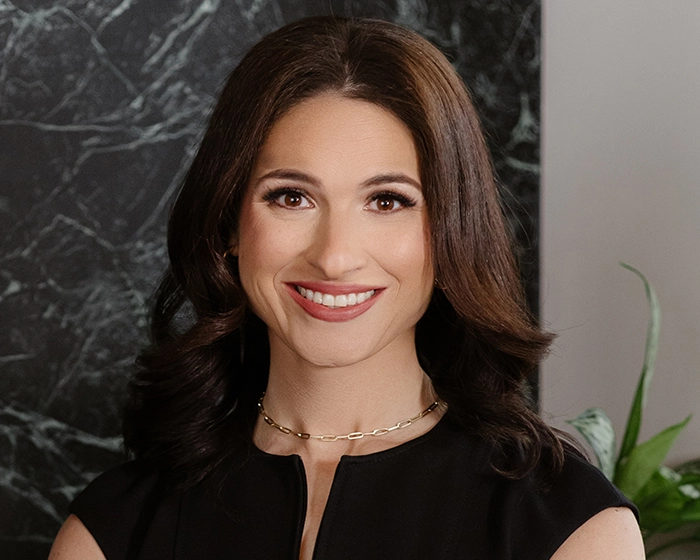
Parentage is easiest to protect before anyone questions it. Fenchel Family Law, PC represents LGBTQ+ parents and couples across San Francisco, the Peninsula, and the East Bay, from planning documents to contested parentage and custody cases.
Book a complimentary case evaluation, and we’ll match you with the senior family law attorney suited to your case. Consultations take place by video.
Call (415) 498-1668 or reach us online to schedule your complimentary case evaluation.
San Francisco Address
315 Montgomery Street, Suite 900
San Francisco, CA 94104